

Why people trust what they can see on social media before they trust what you tell them
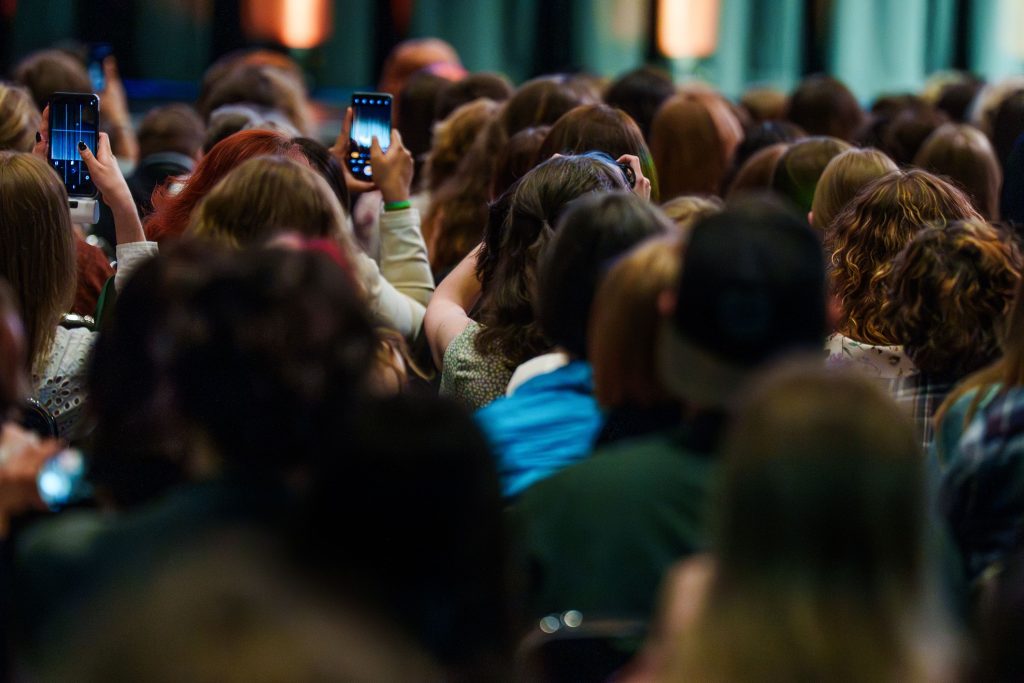
Your potential customer is evaluating you right now. Not by calling references. They’re scrolling through your Instagram feed at 11pm, making judgments about your professionalism based on whether your grid layout looks intentional. This is how social media trust signals shape first impressions before you ever speak to a customer.
This sounds shallow. Maybe it is. But it’s also how trust works now.
Twenty years ago, trust came from proximity and repetition. You hired the contractor your neighbor used. Personal endorsement carried weight because it came from someone whose judgment you already trusted.
Social media didn’t just add another channel. It fundamentally rewired the trust equation.
Social Media Trust Signals: The Psychology Behind Visual Trust
When someone evaluates your business on social media, their brain is running pattern recognition shortcuts developed over years of scrolling.
High quality, consistent imagery signals investment. If you care enough to take good photos, you probably care about other details too. Low quality images trigger the opposite response. Fair or not.
Engagement patterns matter more than follower counts. Way more. A business with 200 followers and genuine comments reads as more legitimate than one with 5,000 followers and zero interaction. People’s brains spot fake engagement.
Visual consistency across platforms creates what psychologists call processing fluency. When your Instagram aesthetic matches your website, your brain processes that as trustworthy. Mismatch creates friction. Something feels off.
Your bio and captions communicate personality. Do you sound like a human or a content calendar? People notice.
None of this is conscious evaluation. It’s fast pattern matching. Instagram grid looks professional equals probably runs a professional business. These shortcuts drive real business decisions every day.
Where Businesses Get It Wrong
The most common mistake is treating social media as separate from the rest of their digital presence. Someone manages Instagram. Someone else manages the website. The result is two different brand voices, two different messages.
When someone clicks from Instagram to your website and it feels like landing on a completely different company, trust evaporates. Just gone. The polished feed suggested one level of professionalism. The outdated website suggests another.
Another mistake is optimizing for algorithm instead of trust. Posting daily because some guru recommended it, even when you have nothing meaningful to say. Using trending audio that has nothing to do with your business. All of it might boost reach, but it erodes trust with the people who actually matter.
At Tenaya Digital, we make sure your website matches the quality and tone of your social presence. Because all your social media efforts fall apart if clicking through to your site breaks the spell.
What Social Media Trust Signals Actually Look Like
Authentic social media trust signals aren’t about perfection. They’re about consistency and showing up as who you actually are.
Show your actual work. Not stock photos. The real projects you deliver.
Share the humans behind the business. Real moments that show the people customers will interact with.
Respond to every comment like a person, not a brand. People can tell the difference. They really can.
Keep your information current everywhere. If your Instagram says you’re open Tuesday through Saturday but your website says Monday through Friday, that inconsistency raises questions. Small details signal whether you’re paying attention.
Make sure your website matches the promise your social media makes. If your Instagram aesthetic is warm and approachable, your website should feel the same way. Check out our portfolio to see how we create this cohesion.
Living in the Reality
You didn’t ask for visual judgment to matter this much. You probably wish people would just call you instead of scrolling through nine months of Instagram posts first. I get it.
But that’s not how trust works anymore. Social media rewired the equation. People now trust what they can see and verify visually before they trust what you tell them.
The good news is you can design for this reality. Post authentic content that reflects who you actually are. Maintain visual consistency across platforms. Make sure your website delivers on whatever promise your social presence makes. Respond to people like a human.
In addition, strong social media trust signals help reinforce credibility across every touchpoint.
These aren’t growth hacks. They’re trust fundamentals adapted to how people’s brains work after fifteen years of social media conditioning.
Ready to build a digital presence that earns trust at every touchpoint? Let’s talk about creating something cohesive that works with how people actually evaluate businesses now.